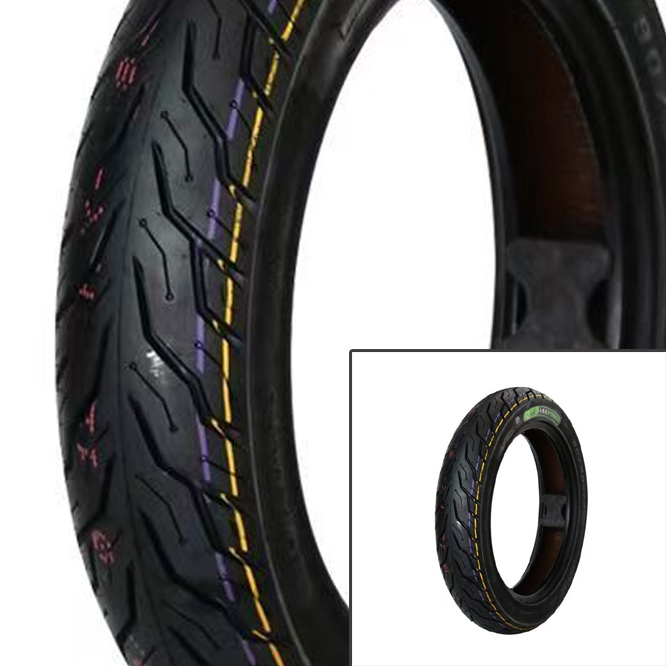
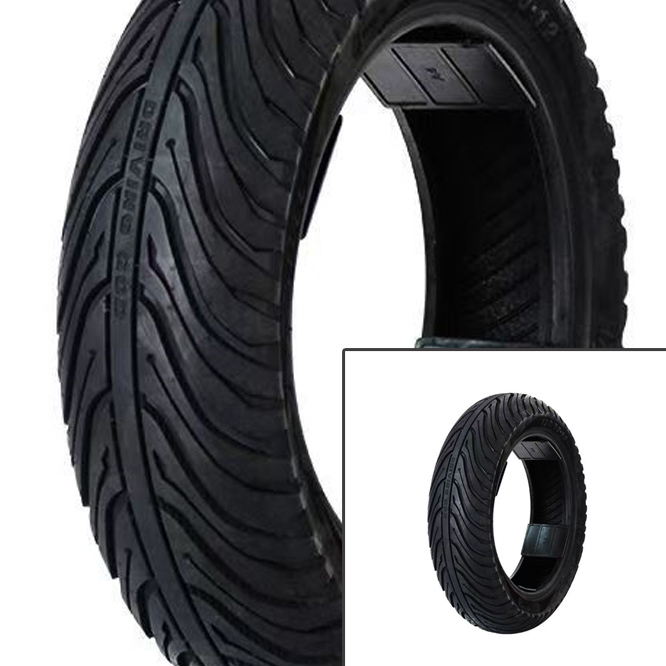
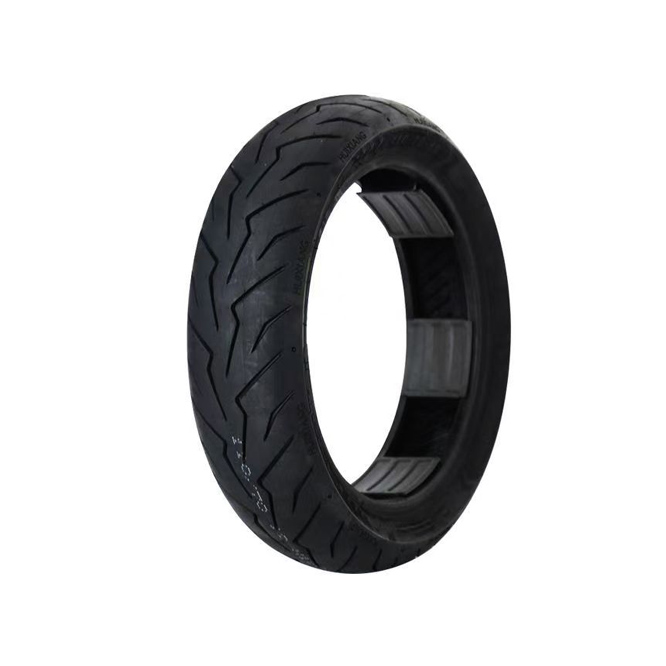
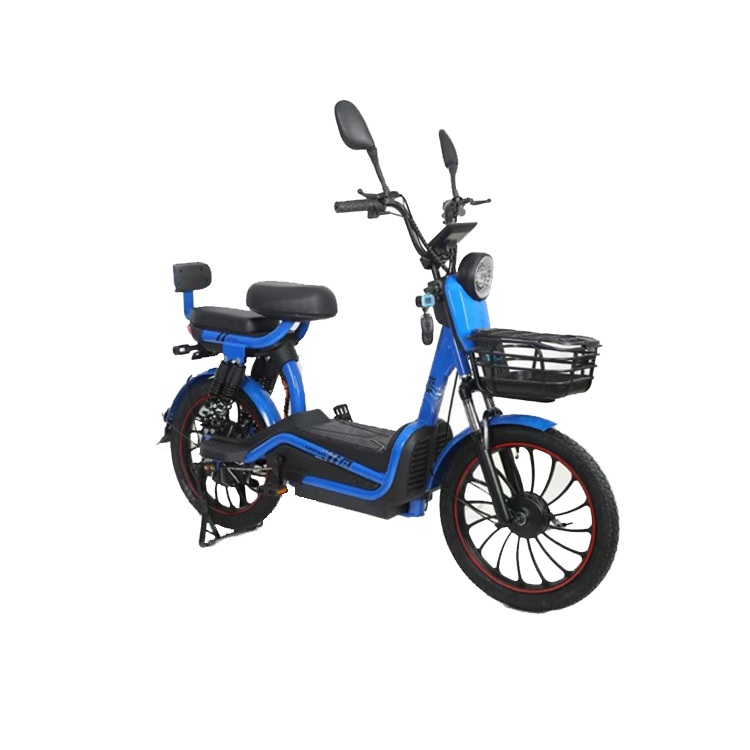
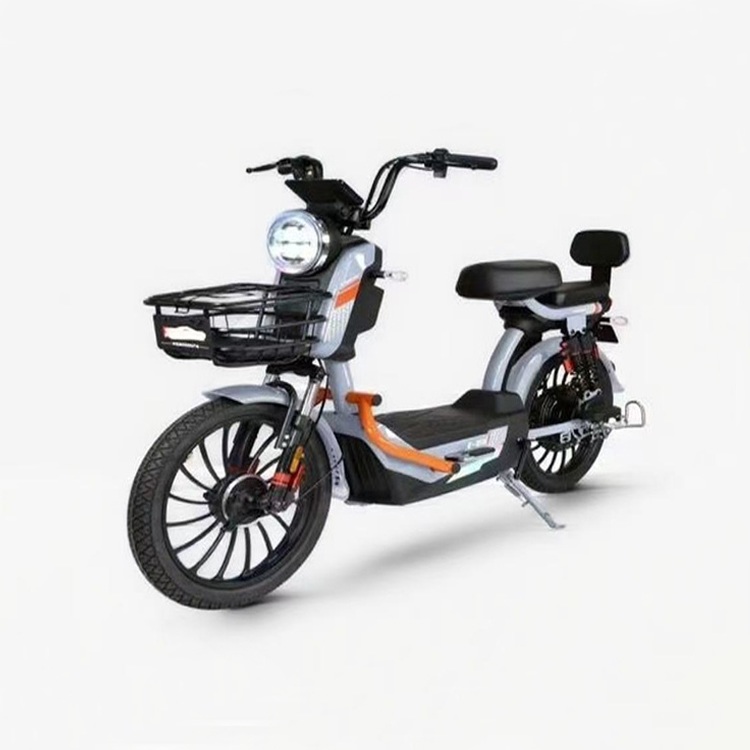
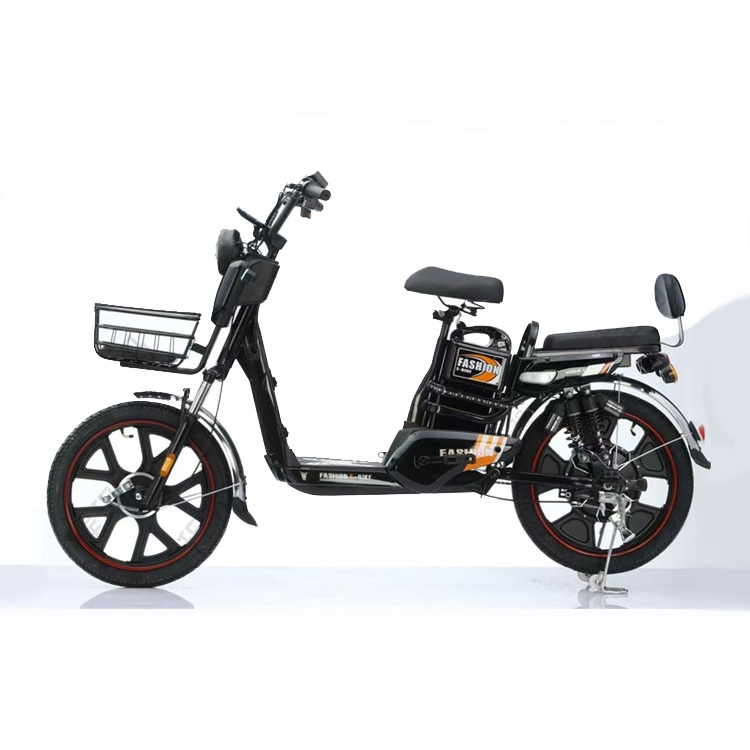
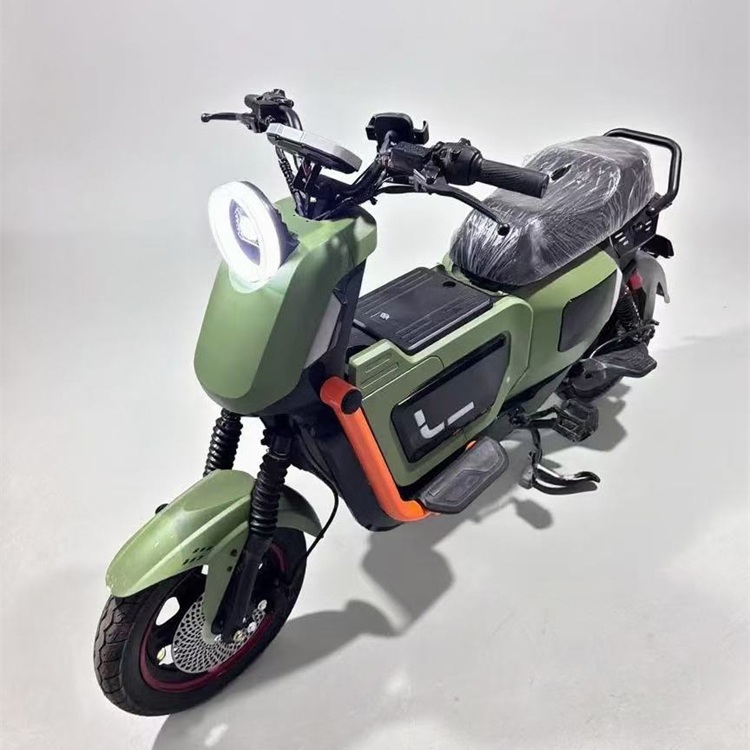
With the continuous increase in urban traffic pressure, electric bicycles, due to their advantages of convenience, economy and environmental friendliness, have become the preferred mode of transportation for an increasing number of people. However, at the same time, safety accidents caused by illegal riding and improper operation have also been increasing year by year. Mastering the correct safety riding knowledge is not only responsible for oneself, but also for the safety of others' lives. This article will help you sort out those "compulsory courses" for safe riding of electric bicycles that must be remembered.
Firstly, legal compliance is the prerequisite for safe riding. According to relevant regulations in our country, electric bicycles must meet the requirements of the "new national standard", namely a maximum speed not exceeding 25 km/h, a total weight not exceeding 55 kg, an electric motor power not exceeding 400 W, having a pedal-riding function, and needing to be registered and licensed before being allowed to ride on the road. Many owners, in pursuit of speed, privately modify their vehicles, such as removing speed limit devices, replacing high-power electric motors, and adding sunshades. These actions not only violate the regulations but also significantly increase the safety hazards of the vehicles. The braking system of the modified vehicles is difficult to match the speed, and in emergency situations, they are prone to lose control. Moreover, the sunshades will affect the flexibility of the vehicle, and during turns and evasive maneuvers, they are likely to cause scraping accidents.
Secondly, wearing safety equipment correctly is a crucial protective measure. Data shows that head injuries are one of the main causes of casualties in electric bicycle accidents. Wearing a safety helmet can reduce the risk of head injuries by over 60%. Here, we need to remind everyone that wearing a helmet is not as simple as "putting it on"; one must choose a helmet that meets national standards, adjust the tightness of the helmet properly, ensure that the helmet fits tightly and securely on the head, and avoid any loosening that could lead to the loss of protection. Additionally, when riding at night, it is recommended to wear reflective markers or a reflective vest to increase one's visibility and enable motor vehicle drivers to notice in time, thereby reducing the possibility of accidents.
Finally, standardizing cycling behavior is the core of safety. When cycling, one must strictly abide by traffic rules, stay on the non-motorized vehicle lane, do not ride against traffic, do not run red lights, do not change lanes at will, and do not drive at excessive speed. When turning at intersections, one should observe the road conditions in advance, turn on the turn signal, and yield to pedestrians and motor vehicles. In bad weather conditions, one should slow down to avoid sudden braking and sharp turns. In rainy weather, one should be aware of slippery road surfaces, and in snowy weather, be cautious of icy roads. At the same time, do not ride an electric bicycle after drinking alcohol. Alcohol can affect one's judgment and reaction speed, increasing the probability of operational errors. Also, do not illegally carry passengers or cargo, as overloading will shift the vehicle's center of gravity, making the operation more difficult, and easily causing a rollover.
Safe cycling is no trivial matter. Every detail is crucial for ensuring life safety. We hope that all electric bicycle owners can keep in mind the above common sense, abandon bad riding habits, and travel in a civilized manner and return home safely.

 Spain
Spain  Arabic
  Russian
 Korean
 Thai
Thai vietnamese
 Persian
 Deutsch
 Türkce
 日本語
日本語